|

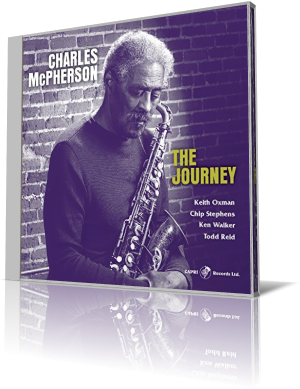
Straight, no chaser. Charles
McPherson goes old school with The Journey (Capri Records,
2015). Recognized as one of the last authentic practitioners of bebop
sax, McPherson would make some of his pioneering brethren proud.
McPherson plays the alto sax. With him are Keith Oxman, tenor sax; Chip
Stephens, piano; Ken Walker, bass; and Todd Reid, drums.
The sassy opener, The Decathexis from Youth (for Cole), features the
duet of McPherson and Oxman in harmonious lead. The song begins in
moderate, swing. Then it shifts into high gear as the leader takes off
on a spirited jaunt. Composer Stephens stretches out in blues style.
Reid has a brief solo to begin the bands take on the Rogers and Hart
classic, Spring Is Here. Music doesnt get much sunnier than this.
McPherson cuts loose, keeping the alto in the middle of its range for
the most part, but every now and then grinding to its depths or wailing
to its upper register. Stephens and Oxman lick their chops as well.
After the leads get their time to shine, Reid is given a little space to
work out the kit.
Manhattan Nocturne is one of three McPherson originals. Its tranquil
tone is of the same mood as Herbie Hancocks Maiden Voyage, though the
composition is very different. Bass and drum play are more subtle than
on the other songs. At 10 minutes, its by far the longest track in the
set. But it doesnt seem long as theres always a sense of moving
forward. The title indicates a snapshot of downtown New York City at
night. However, the mood has an air of elegance and romance, ripe for a
couple slow dancing or taking a walk through the park.
McPherson has had associations with some jazz heavyweights, including
Charles Mingus, Pat Martino and Art Farmer. He provided alto statements
to Bird, Clint Eastwoods movie about Charlie Parker, whose Au
Privave is among the McPherson arrangements on The Journey.

|